
Greenpeace analysis shows home energy efficiency upgrades could increase national GDP by £6.8 billion and create 138,400 new jobs by 2030 with the right Govt policies
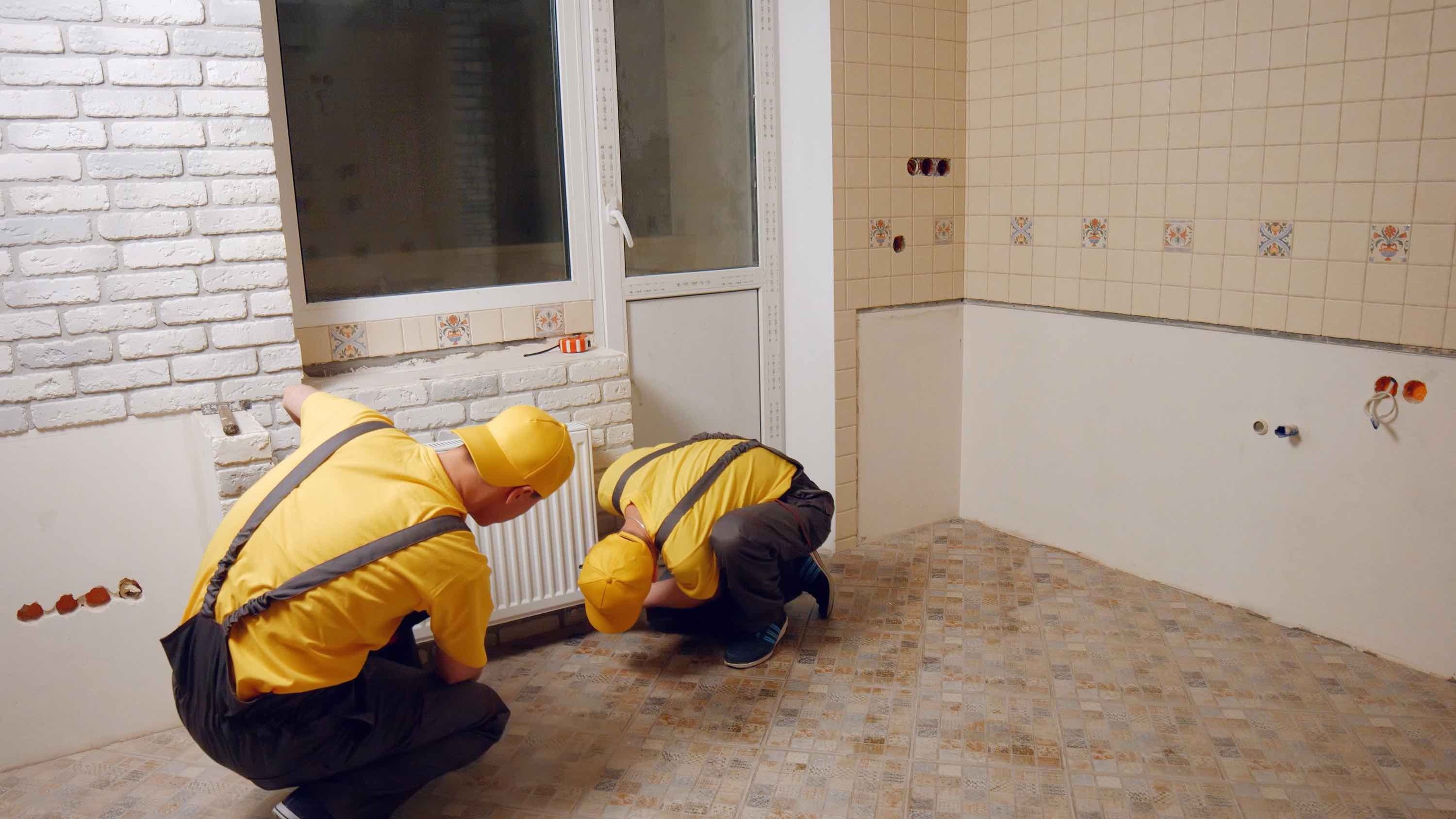
The research was carried out for Greenpeace by Cambridge Econometrics and focuses on insulation of residential properties and the installation of heat pumps taking into account 2022 energy prices and their knock on effects for households including in the private rented sector.
In effect, this detailed research - The economic impact of decarbonising household heating in the UK in an era of high fossil fuel prices - suggests that the Government should look again at the way it supports households and owners by regarding energy upgrades as an investment in its priorities - reduction in fuel poverty (currently there are 6.5 million households in fuel poverty which could rise to 50% of households by 2023); increase in health and well being (leading to a reduction in health service and social care costs); increase in child educational attainment; increase in skilled employment in the low carbon industry sector; and decrease in pollution emissions from residential homes.
The report says there should be a better funding model including better incentives for private rented sector landlords to upgrade their properties as, currently, they are not incentivised to upgrade because they foot the upfront cost and they do not, as such, personally benefit from lower bills in the same way that their tenant would. This "split incentive" issue could be resolved by the fact that properties with good energy efficiency would continually be of interest to any prospective tenants but would also experience fewer and shorter void periods.
The Chancellor, Kwasi Kwarteng, is due to make public the Government's plans for the energy and cost of living crisis by the end of this week. Hopefully, he may have read this report.